Lesson 13 - Understanding Genres
Adapting Your Performance
“Now more than ever we need to talk to each other,
to listen to each other and understand how we see the world,
and cinema is the best medium for doing this.”
Martin Scorsese

Adapting your performance is an essential skill for actors as it allows them to embody various acting genres. Acting genres refer to different styles or categories of performance that have distinct characteristics, themes, and techniques. Here are several major acting genres and some tips on adapting your performance within each genre:
Drama
Focus: Serious and intense emotions, conflicts, and character development.
Dramatic tips: Drama films often delve into complex emotions and human experiences. Actors must be able to convey a wide range of emotions authentically, from joy and love to sadness, anger, and grief. In drama films, characters are typically well-developed and multi-dimensional. Actors must invest time in understanding their character’s background, motivations, and emotional journey throughout the story. While drama films may explore extraordinary situations, the emotions and reactions of the characters should feel genuine, vulnerable and relatable. Actors must strive for realism and avoid overacting or melodrama.

Many drama films involve intense relationships and interactions between characters. Building chemistry with co-stars is essential for creating believable and compelling on-screen relationships. Depending on the film’s setting and context, actors may need to research specific time periods, locations, or occupations to bring authenticity to their performances. Ultimately, acting in a drama film is about conveying genuine emotions and connecting with the audience on an emotional level. It requires dedication, empathy, and a willingness to delve deep into the complexities of the human experience.
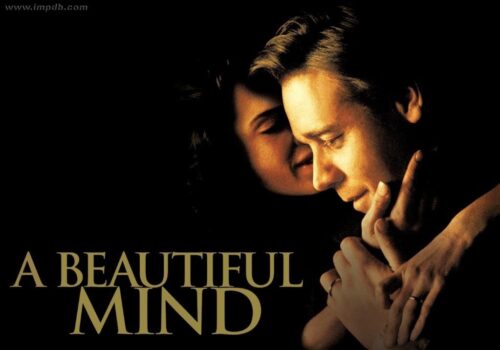
Example: A Beautiful Mind (2001) – Directed by Ron Howard, this biographical drama tells the story of mathematician John Nash and his struggles with schizophrenia.
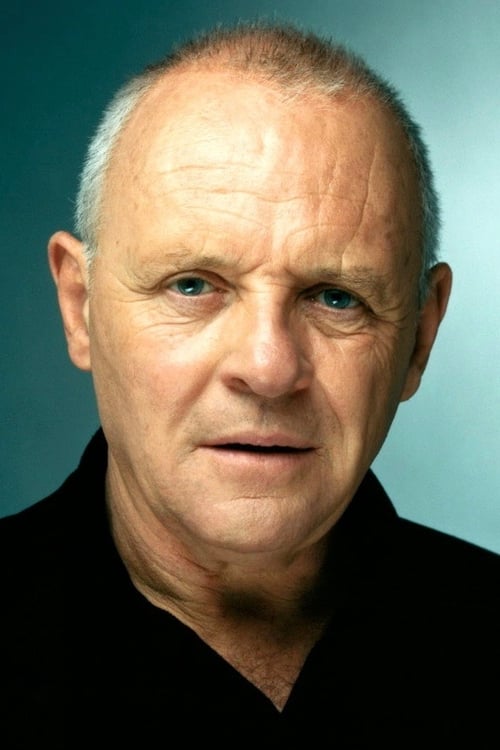
Dramatic actors to study: Meryl Streep, Denzel Washington, Cate Blanchett, Anthony Hopkins, Viola Davis, Tom Hanks, Natalie Portman, Leonardo DiCaprio, Julianne Moore, Kate Winslet.
Comedy

Focus: Humor, wit, and lighthearted entertainment.
Comedy tips: Comedy is hard. Arguably harder than drama. Some performers just inherently know what is funny and how to deliver it, while other actors fear to tread there. Here are some key elements that actors should consider when preparing to act in a comedy film. Comedy relies heavily on timing and precise delivery of lines and physical actions. Actors must have a good sense of comedic timing to land jokes and punch lines effectively. Comedy films often involve improvised or spontaneous moments. Actors should be comfortable improvising and have the ability to react to unexpected situations with humor.
Physical humor and slapstick are also common in comedy films. Actors must be willing to use their bodies to create funny and exaggerated movements and expressions. Actors must also have expressive facial expressions and gestures to convey humor and comedic moments on screen. Actors must fully commit to their character choices and embrace the comedic aspects of their roles. Comedy can take various forms, such as physical comedy, verbal wit, satire, or dark humor. Comedy often requires precise blocking and choreography to ensure that jokes and comedic beats are delivered effectively. Spontaneity is frequently the APPEARANCE of spontaneity.

Finding the funny in the moment will occasionally happen but preparation and rehearsal will usually create a better scene. While comedy can be exaggerated and silly, it should still feel grounded in truth. Actors must find the honesty and authenticity in their characters to make the humor relatable and believable. Ultimately, acting in a comedy film requires a strong sense of humor, fearlessness, and a willingness to take risks. It is about connecting with the audience and bringing joy and laughter to the screen.

”Ace Ventura: Pet Detective” (1994) is a comedy film, directed by Tom Shadyac and starring Jim Carrey in the role of Ace Ventura. The film follows the unconventional pet detective, Ace Ventura, who is hired to find the stolen Miami Dolphins mascot, a live dolphin named Snowflake.
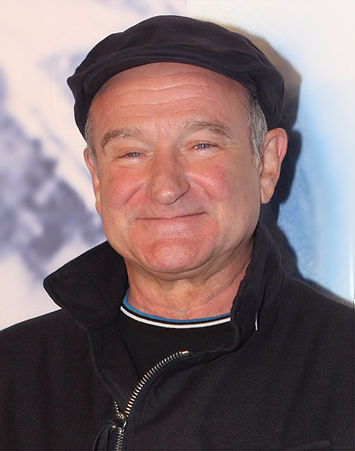
Comedic actors to study: Jim Carrey, Robin Williams, Eddie Murphy, Melissa McCarthy, Bill Murray, Steve Carell, Kristen Wiig, Will Ferrell, Tina Fey, Jack Black, Amy Poehler, John Candy, Leslie Nielsen, Catherine O’Hara, Sacha Baron Cohen, Adam Sandler, Lucille Ball and Billy Crystal.
Historical
Focus: Depicting events, settings, and characters from a specific time period.
Historical tips: Actors must conduct thorough research about the time and setting of the historical film. Understanding the historical context, societal norms, and cultural nuances is crucial for portraying characters authentically. Your research may also involve characters speaking in accents or languages specific to the time and location. Actors should work on mastering these accents or language elements to add realism to their performances.

Characters in historical films may have different physicality and mannerisms as they would align with various social classes compared to modern-day individuals. Actors should adjust their movements, gestures, and postures to fit the historical context. Actors should adapt their speech to fit the time period’s language and diction, using appropriate vocabulary and phrasing. You should be familiar with significant historical events and figures that shape the film’s narrative. This knowledge can inform their character’s motivations and reactions. Despite the historical setting, characters in historical films should still be relatable and emotionally engaging. Actors must find ways to connect with their character’s emotions and experiences, regardless of the time period. To do this, you must work closely with the director and production team to understand the vision for the film and ensure that the historical elements are accurately portrayed.
If the historical film portrays real-life figures, actors should research these individuals to capture their essence and motivations. Actors should approach historical films with a sense of reverence and respect for the real events and individuals depicted, understanding the importance of accurately representing historical figures and events.

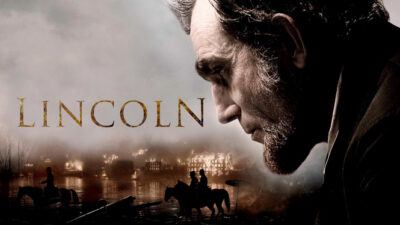
Example: Lincoln (2012) – Directed by Steven Spielberg. This historical drama stars Daniel Day-Lewis as President Abraham Lincoln and focuses on the final months of his life as he works to pass the Thirteenth Amendment, abolishing slavery.
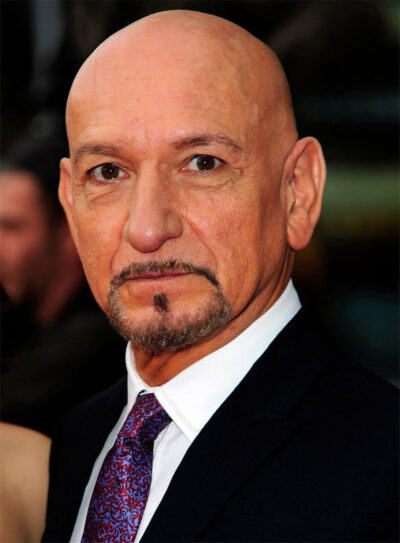
Historical actors to study: Daniel Day-Lewis, Gary Oldman, Helen Mirren, Ben Kingsley, and Geoffrey Rush
Musical
Focus: Combining acting, singing, and dancing to tell a story. The “Triple Threat”.
Musical tips: Musical films involve singing and dancing performances. Actors should have strong vocal abilities to deliver songs with clarity and emotion. They should also be comfortable with choreographed dance sequences. Ya gotta sing and dance well! Characters in musical films are often multi-dimensional and undergo emotional journeys. Actors must invest time in understanding their character’s background, motivations, and emotional arcs. Songs are used to express characters’ emotions and advance the story. Actors should be able to convey a wide range of emotions while singing while connecting emotionally with the music and lyrics of the songs they perform. This connection helps enhance the authenticity of their performances.
Musical films often require actors to have a strong stage presence and exude energy during musical numbers. In addition to singing and dancing, actors must also deliver compelling acting performances. They should find a balance between emotional acting scenes and musical numbers. Actors should be able to control their physical movements and voice to match the requirements of the musical’s choreography and vocal demands. Actors should smoothly transition between dialogue and song performances, ensuring a seamless flow in the storytelling. Ultimately, acting in a musical film is about using the power of music, singing, and dancing to tell a compelling story and connect with the audience on an emotional level. It requires a unique blend of acting, singing, and dancing talents to bring the magic of musicals to life on the screen.
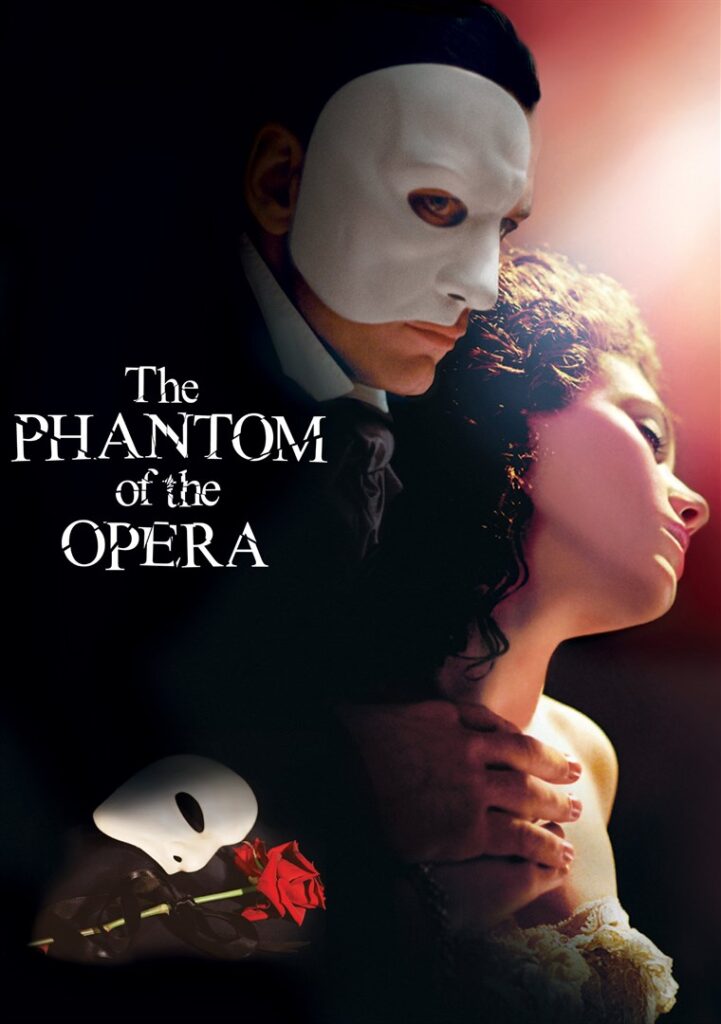
Example: The Phantom of the Opera (2004) – Directed by Joel Schumacher. This film adaptation of Andrew Lloyd Webber’s stage musical follows the mysterious Phantom and his obsession with a young soprano, Christine.
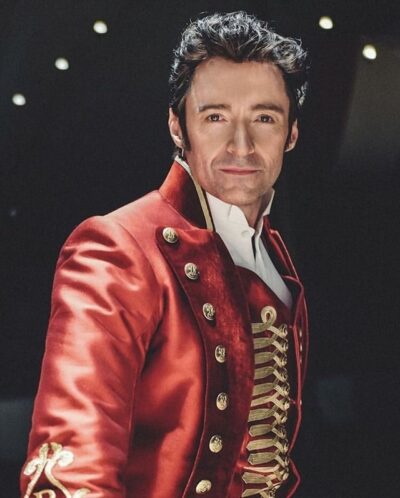
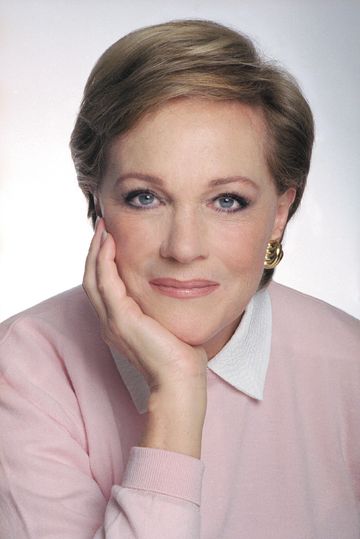
Musical actors to study: Hugh Jackman, Barbra Streisand, John Travolta, Julie Andrews, Gene Kelly, Audrey Hepburn, Dick Van Dyke, Renée Zellweger, Fred Astaire, Judy Garland
Musical

Focus: High-energy sequences, stunts, and physical prowess.
Action Film tips: Action films often involve physically demanding scenes, such as fights, stunts, and chase sequences. Actors should be in good physical shape and undergo training to perform these actions safely and convincingly. Actors must work closely with stunt coordinators to execute action sequences with precision and ensure their safety during high-risk scenes. Even in action-packed scenes, actors must convey authentic emotions and stay connected to their character’s journey, adding depth to their performances. Having bulging biceps and a rippling 6-pack isn’t enough.

Action films may require actors to handle weapons and perform combat moves.
Action films often explore themes like heroism, justice, and survival. Actors should grasp the film’s underlying messages and embody their character’s beliefs. Acting in action films carries inherent risks. Actors must prioritize safety and follow all guidelines provided by the production team and stunt professionals. While the action is a major component, actors should also develop their character’s background, motivations, and relationships to create well-rounded performances. Actors should deliver dialogue clearly and effectively during action scenes, ensuring that important plot points and character interactions are conveyed.

Acting in an action film requires physicality, emotional commitment, and the ability to adapt to challenging and dynamic situations. It is about bringing excitement and intensity to the screen while maintaining authenticity and engaging the audience in the character’s journey.
Example: The Avengers (2012) – Directed by Joss Whedon, this superhero ensemble film brings together Iron Man, Thor, Captain America, Hulk, and other Marvel heroes to battle a common threat.
Action Film actors to study: Bruce Willis, Arnold Schwarzenegger, Sigourney Weaver, Sylvester Stallone, Angelina Jolie, Dwayne Johnson, Tom Cruise, Keanu Reeves, Charlize Theron, Jackie Chan, Vin Diesel, and Harrison Ford
Thriller

Focus: Suspense, tension, and psychological drama.
Thriller film tips: Thriller films often involve high-stakes situations and intense emotions. Actors must be able to portray fear, suspense, anxiety, and tension convincingly. Actors should master physical and vocal control to convey a wide range of emotions and reactions subtly. Characters in thriller films may have complex motivations or hidden agendas. Actors should explore the ambiguity of their characters to add depth and intrigue.

Thriller films rely on suspense and anticipation. Actors should understand the timing and rhythm of the story to deliver well-timed performances to engage the audience emotionally and mentally, drawing them into the suspenseful narrative. Thriller films often involve unexpected plot twists or sudden changes in the storyline. Actors must be prepared to react authentically to these surprises even when the actor knows it’s coming.

Thriller films may explore psychological themes like paranoia, obsession, or manipulation. Actors may need to research real-life situations or professions relevant to the film’s storyline to portray their characters authentically. Actors should understand these themes to portray characters convincingly. Mastering subtext is essential in thrillers, as characters may conceal their true intentions by utilizing their body language and facial expressions to communicate deeper emotions and thoughts. Depending on the thriller’s nature, actors may need to perform physical stunts or action sequences. Safety and coordination with the stunt team are crucial.

Example: The Silence of the Lambs (1991) – Directed by Jonathan Demme. This psychological thriller stars Jodie Foster as FBI trainee Clarice Starling, seeking the help of the imprisoned Dr. Hannibal Lecter (Anthony Hopkins) to catch a serial killer.
Thriller Film actors to study: Christian Bale, Anthony Hopkins, Jodie Foster, Robert De Niro, Michael Douglas, Michelle Pfeiffer, Jamie Lee Curtis, Kathy Bates, Johnny Depp
Romance
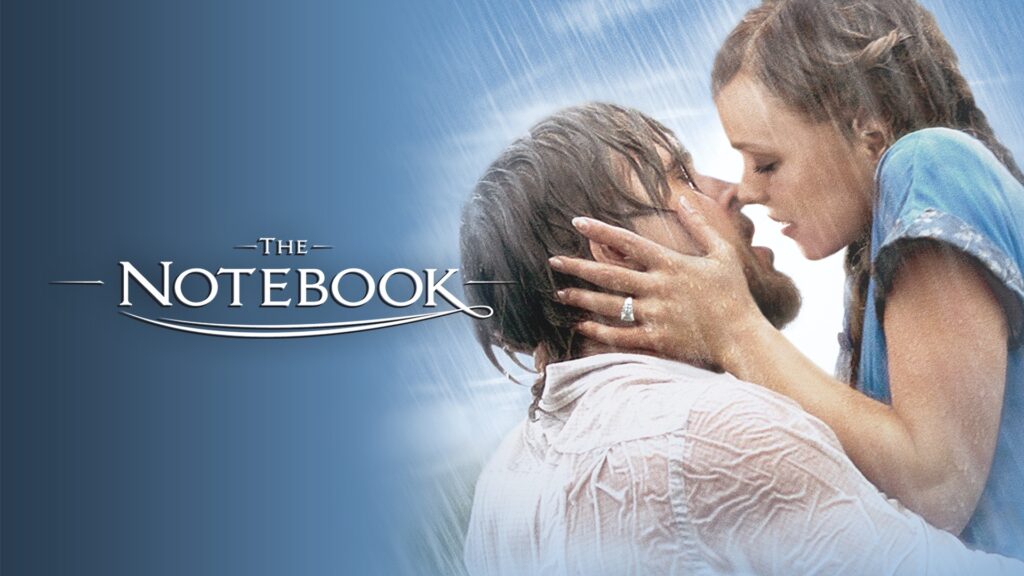
Focus: Love, relationships, and emotional connections.
Romance Film tips: The chemistry between the lead actors is crucial in a romance film. Actors must build a believable and captivating on-screen connection to make the romance feel authentic. Romance films often explore deep emotions and vulnerabilities. Actors should be comfortable expressing love, passion, heartbreak, and other intense emotions as well as physical intimacy with subtlety and sensitivity, understanding the boundaries and comfort levels of their co-stars.

Actors must make the love story feel genuine and relatable, making the audience invested in the characters’ journey. Actors should fully understand their character’s desires, fears, and past experiences, as these elements often drive the romance’s narrative. While romance films often involve elements of fantasy and idealization, actors should still bring a sense of realism and authenticity to their characters. In romance films, non-verbal cues, such as eye contact and body language, play a significant role in conveying emotions and connections between characters. Actors also must be responsive to their co-stars’ dialogue and emotions, engaging in active listening and reacting naturally.

Romance films may explore themes like love, sacrifice, fate, or self-discovery. Actors should grasp these themes to enrich their performances. These types of films are often remembered for their iconic moments. Actors should strive to bring their own unique flair to create memorable scenes by exuding charisma and charm to capture the audience’s attention and create a magnetic on-screen presence. Ultimately, acting in a romance film is about creating a heartfelt connection with the audience, evoking emotions, and telling a love story that resonates with viewers on a deep and emotional level.