Lesson 2 - The Art of Acting
Understanding the Medium
“Acting is behaving truthfully under imaginary circumstances.” – Sanford Meisner

The art of acting is a captivating medium that has been an integral part of storytelling for centuries. It is a craft that requires a deep understanding of human emotions, psychology, and the ability to inhabit and portray diverse characters. From the early stages of theater to the modern silver screen, acting has evolved and shaped the world of entertainment. In this book, we will explore the art of acting, delve into its rich history in cinema, provide examples and illustrations, and showcase some famous quotes that shed light on the essence of this powerful medium.
Understanding the Medium
Acting is not merely the act of pretending or imitating, but rather a skill that involves the creation of authentic characters and the communication of ideas and emotions to an audience. We need to have a good understanding of human behavior and the ability to empathize with the characters being portrayed. More importantly, we need to become our characters! Actors use their bodies, voices, and emotions to breathe life into their characters and using our scripts to transport audiences to different worlds and realities. It is an exhilarating experience to become another character and be a part of the larger story being told.
Great Actors
To truly comprehend the art of acting, we can explore some notable actors that showcase the range and power of this medium. We need to be a student of the craft. We not only need to watch Films, Television, and Stage productions, but we need to watch with a curious eye to study the masters at their craft. If we look at the last 50 years of cinema we will find great performances from actors like: Meryl Streep, Robert De Niro, Cate Blanchett, Marlon Brando, Tom Hanks, Judi Dench, Denzel Washington, Kate Winslet, Anthony Hopkins, Leonardo DiCaprio, Viola Davis, Daniel Day-Lewis, Nicole Kidman, Morgan Freeman, Julianne Moore, Al Pacino, Charlize Theron, Philip Seymour Hoffman, Helen Mirren, Johnny Depp, and many more.
One such performance is Meryl Streep’s role as Sophie in “Sophie’s Choice.” Streep’s ability to convey the complexities of a Holocaust survivor’s emotional journey is widely regarded as one of the greatest acting achievements in film history. Her portrayal resonated deeply, highlighting the transformative nature of acting and its potential to evoke profound emotional responses from viewers.
Sophie's Choice - Meryl Streep
Another great performance would be Heath Ledger’s performance in “The Dark Knight”. It is nothing short of legendary. Playing the iconic role of the Joker, Ledger delivered a mesmerizing portrayal that redefined the character for a generation. From the moment he appears on screen, Ledger’s Joker exudes an eerie and chaotic presence, capturing the audience’s attention and never letting go.
He delved deep into the psyche of the character, creating a Joker that was equal parts terrifying and magnetic. The physicality he brought to the role, from his haunting makeup and disheveled hair to his unsettling mannerisms, added layers of complexity to the character, making him truly unpredictable and unsettling showcaseing his extraordinary range as an actor.
One of the most iconic scenes in the film is the Joker’s monologue about scars drawing the audience in as he weaved a mesmerizing tale that was both sinister and darkly comedic.
His portrayal of the Joker earned him widespread critical acclaim and numerous awards, including a posthumous Academy Award for Best Supporting Actor.
Our Acting Instrument
Acting is a invasive experience where we share skin with our character as they encompasses multiple elements of our being that contribute to honesty and authenticity of our characters.
Our artistic instrument is our body and mind. How we use it determines the effectiveness of our performance. We have 3 main components that we can use.
Physicality: Actors utilize their bodies as a powerful tool for expression. We use gestures, facial expressions, and movement to convey the inner world of the characters they portray. Through physicality, actors can communicate emotions, intentions, and the unique characteristics of a character without even speaking a word.
Vocal Technique: The voice is another essential aspect of acting. Actors modulate their tone, pitch, and rhythm to convey different emotions and portray a character’s personality, age, and background. A skilled actor can manipulate their voice to captivate and engage the audience, bringing depth and authenticity to their performance.
Emotional Depth: Acting requires actors to tap into their character’s emotions and experiences to portray the emotional journey of their characters. By connecting with the emotions and motivations of their characters, actors can create a compelling and relatable portrayal. This emotional depth allows the audience to connect and empathize with the characters, enhancing the overall impact of the performance. Believability is the goal of the screen actor!
The challenge is…how do we control and bring all 3 of these components together to align with each other? How do we pick the right facial expression, vocal tone, pitch, rhythm, and emotional state and get them all to mesh together seamlessly? The answer is…we don’t! So how do we do it? We research, find inspiration for our character and the moment, know what our character wants, understand the ideas and emotions we want to communicate and then…BECOME THE CHARACTER from head to toe. Walk, talk, think like your character and you will become your character. And it is at that point where our brain will synchronize our body, voice, and emotions to create an authentic character that your audience will be engaged with.
I have boiled this concept down to the simplest 3 words. I call them my 3 golden words. If you are able to comprehend and implement this concept, you will be a successful actor for years in this business. Are you curious? Well, here they are…
Be…Don’t Act!
Become your character. Don’t act like your character. An actor who has not spent the appropriate amount of time in researching, analyzing, breaking down your character and scene, can be spotted a mile away. Not only by the audience, but more importantly by Casting Directors. When a Casting Director spots this incomplete performance, you can bet you won’t be booking the job.
Throughout history, many actors, directors, and playwrights have shared insightful quotes that encapsulate the essence of acting. Here are a few famous quotes:
“Acting is not about being someone different. It’s finding the similarity in what is apparently different, then finding myself in there.’ This quote highlights the art of finding the common threads of humanity that connect us all, enabling actors to portray diverse characters authentically.”
Meryl Streep
“Actors think more with their hearts
than with their heads.”
William Esper
“An actor is at most a poet and at least an entertainer,’ emphasizes the multifaceted nature of acting. It recognizes that acting can transcend mere entertainment and become a poetic exploration of the human condition.”
Marlon Brando
“The actor should be able to create the universe in the palm of his hand,’ speaks to the imaginative power of actors. They have the ability to transport audiences to different worlds, inviting them to experience and explore new realities.”
Laurence Olivier
Cinema History
The art of acting and the evolution of cinema will forever be linked. From the early silent films to the modern era, actors are an essential piece in bringing stories to life on the silver screen. The birth of cinema in the late 19th century opened new possibilities for acting, as actors could now reach a broader audience with their performances.
In the early days of cinema, silent film actors relied heavily on physicality and exaggerated expressions to convey emotions and engage audiences. Legends like Charlie Chaplin and Buster Keaton mastered the art of physical comedy, using their bodies to create iconic characters and timeless moments.
Charlie Chaplin, one of the most iconic figures in the history of cinema, had numerous great performances throughout his career. Charlie Chaplin’s most iconic character, “The Tramp,” appeared in several films such as “City Lights” (1931), “Modern Times” (1936), and “The Kid” (1921). The Tramp is a lovable and endearing character who often finds himself in comedic and heartwarming situations.
In “The Kid” (1921): this silent comedy-drama, Chaplin plays the lovable Tramp who discovers and cares for an abandoned baby. The film showcases Chaplin’s exceptional ability to blend humor with touching emotional moments. He portrays the Tramp’s paternal instincts and the bond with the child in a heartwarming and genuine way, making “The Kid” a timeless classic.
The Kid (1921) - Charlie Chaplin - Finds Baby
The Kid (1921) - Charlie Chaplin - Pancake Scene
Exercise
Since there was no sound in films until 1927, actors like Charlie Chaplin had to tell their stories through their non-verbal actions and expressions. This is an essential skill even today. Have a friend or family member make a suggestion of a scene to perform without props, scenery, costume, dialogue or sounds. Take the creative freedom to be as elaborate as you would like in telling your story. Scene suggestions could be: washing a dog, going to the dentist, attending a yard sale, or a 5 year old’s birthday party. Do your scene in front of a few people or record yourself so you can get feedback on whether or not you communicated the story that you intended. If you would like a little feedback, upload your recorded performance to YouTube and send us a link to FinalActDrama@Gmail.com. We will send you a quick email back about what you did well and what you can improve on. Break a leg!
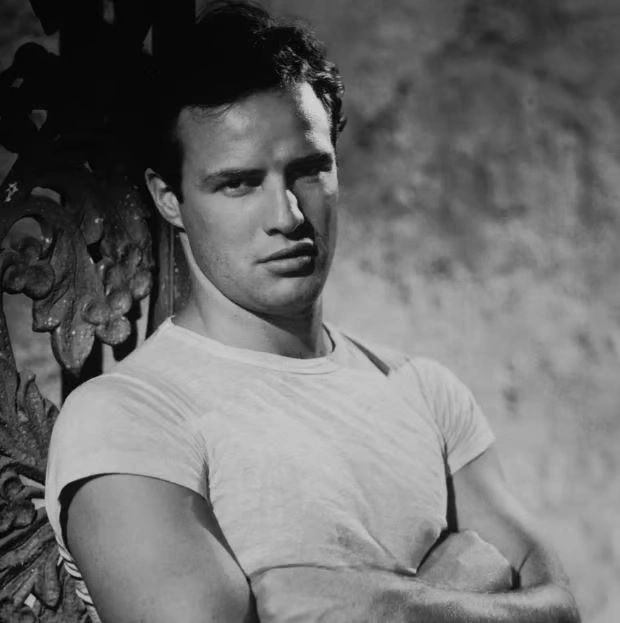
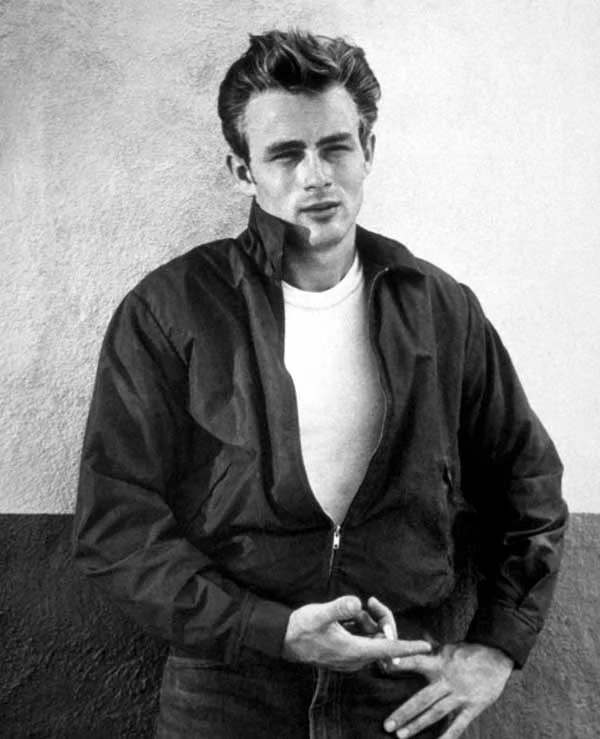
As cinema evolved and sound was introduced, actors had to adapt their craft to include vocal technique. This transition brought new challenges and opportunities for performers, as their voices became an integral part of their portrayals. The emergence of method acting in the mid-20th century, championed by actors like Marlon Brando and James Dean, further revolutionized the craft by emphasizing emotional depth and realism.
The art of acting is a medium that has shaped the world of entertainment. From its early roots in theater to its prominence in cinema today, acting has evolved, challenging actors to delve deep into the human experience and create authentic characters. Acting has the power to transport, inspire, and provoke thought, making it an essential component of storytelling and a medium that continues to evolve and captivate audiences worldwide.